
In-Play Horse Racing Live Odds: Real-Time Betting Tips and Bet Builder for Best Odds
Authored by rebeldivineucc.org, 30/08/2026
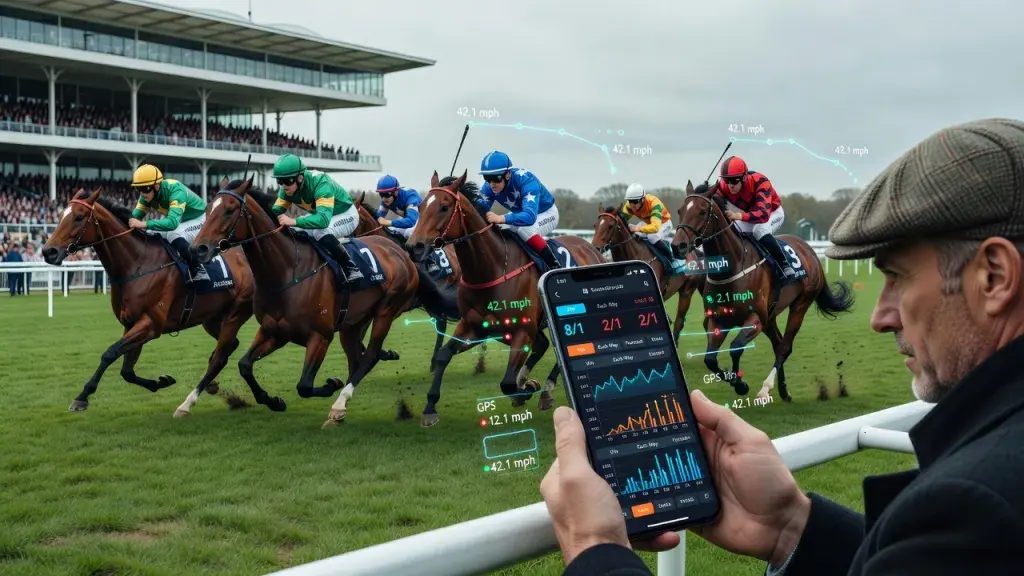
Odds on a horse can swing by three or four points in the final furlong, sometimes faster than the commentator can call the race. A horse trading at 8/1 at the off might be matched at 2/1 by the home straight, and the reverse happens just as often when a fancied runner gets boxed in. This volatility is the entire appeal of watching horse racing live odds shift in real time - and it is also where most casual bettors lose money without understanding why.
Betting during the race itself is a different discipline from picking a winner before the stalls open. It demands quick reading of pace, position, and jockey body language, combined with a working knowledge of how bookmakers price risk on the fly. Platforms built for horse racing live betting have made this accessible to anyone with a phone and a data connection, but access does not equal skill. The gap between a bettor who reacts to odds and one who anticipates them is where the real profit sits.
This piece breaks down how in-play horse racing markets actually behave, what separates useful live horse betting tips from noise, and how tools like a bet builder change the calculus when you are trying to lock in the best odds on horse races before they move against you.
Understanding How In-Play Horse Racing Odds Work
In-play markets do not operate like pre-race markets with a fixed morning line that drifts gently until the off. Once the tape goes up, odds are recalculated continuously based on sectional times, positioning, and the collective weight of money moving through the exchange or sportsbook's liability model. A horse racing live odds feed reflects all of that instantly, which is both the attraction and the danger of betting mid-race.
How Odds Are Calculated During a Race
Bookmakers and exchanges rely on algorithmic pricing models that ingest GPS tracking data, historical pace comparisons, and real-time market liquidity. When a horse makes a decisive move on the final bend, the model recalculates win probability almost instantly and the price contracts. Sectional timing - how fast a horse covers each furlong relative to the leaders - is the single biggest driver of these shifts, more influential than jockey positioning alone.
Why Prices Shift So Quickly Mid-Race
Liquidity thins out as a race progresses. Fewer people are willing to take a position with two furlongs left, so the few bets that do land have an outsized effect on price. This is why a modest bet on a closing horse can trigger a sharper odds move in-play than the same stake would pre-race.
The Role of Data Feeds and Streaming Delays
Every platform has a lag between the physical race and the data reaching your screen - typically a few seconds, sometimes longer depending on connection quality. That delay matters enormously in in-play horse racing, because a price you see may already be gone by the time your bet is submitted. Understanding your platform's latency is not optional; it is a basic requirement for anyone betting live.
Live Horse Betting Tips That Actually Improve Results
Generic advice like "watch the pace" gets repeated constantly without explanation. What follows are the mechanics behind that advice and how to apply them under time pressure.
Reading Pace and Position Before You Bet
A horse sitting third or fourth with an economical run on the rail, not being asked for effort, is in a stronger tactical position than a horse in front and already being pushed along. Learning to spot this before the final two furlongs - rather than after the horse has visibly quickened - is the difference between getting a competitive price and chasing a shortened one.
Timing Your Bet Around Key Race Moments
The best entry points for value are usually right after the field settles into a rhythm post-break and again just before the home turn, when tactical intentions become clear but prices haven't fully adjusted. Betting in the final furlong almost always means accepting a worse price for confirmation of what you can already see.
Managing Bankroll for Fast-Moving Markets
In-play betting punishes impulsive staking. A disciplined approach means setting a fixed in-play stake as a fraction of your pre-race bankroll - never scaling up mid-race to chase a moving price. The following habits separate consistent in-play bettors from those who burn through a bankroll in an afternoon:
- Set a maximum in-play stake per race before the meeting starts, and do not revise it upward during the race.
- Avoid placing a second in-play bet to "correct" a first one that's going wrong.
- Track results across a full card, not a single race, to judge whether your in-play reads are actually profitable.
Finding the Best Odds on Horse Races in Real Time
Price comparison matters more in-play than pre-race, simply because the window to act is shorter and the cost of a slow decision is higher.
Comparing Bookmakers vs Exchanges Live
Exchanges typically offer sharper, more granular pricing because odds are set by other bettors rather than a bookmaker's margin, but liquidity can dry up fast on smaller fields. Traditional bookmakers price in-play markets with wider margins but often guarantee execution, which matters when speed is the priority.
Using Odds Comparison Tools Effectively
A tool that aggregates prices across multiple operators only helps if it updates fast enough to matter in-play. Check the refresh rate of any comparison tool before relying on it during a race - a ten-second lag on a comparison page can mean the "best" price shown is already stale.
Spotting Value Before the Market Corrects
Value in-play means identifying a mispricing before the wider market catches up - for example, a horse that has made significant late progress but hasn't yet been fully reflected in the price because the move happened in the final strides before the data feed updates. Bettors who consistently profit from horse racing live odds are usually the ones acting one step ahead of the crowd, not reacting alongside it.
Horse Racing Bet Builder Live: A Smarter Way to Combine Bets
Bet builders have moved from football into horse racing, letting bettors combine multiple in-race outcomes into a single wager rather than betting on the winner alone.
What a Live Bet Builder Actually Does
A horse racing bet builder live tool lets you combine selections such as a horse to finish in the top three, another horse to be overtaken by the final furlong, and a specific margin of victory, all within one bet slip, with odds calculated dynamically as the race unfolds. This turns a single race into several tactical decisions rather than one binary outcome.
Combining Selections for Better Payouts
The appeal is straightforward: combining correlated outcomes - a strong-finishing horse to place and the same horse to beat a specific rival - can produce better returns than a standard win bet, provided the correlation is genuine and not just a coincidence you've talked yourself into.
Common Mistakes When Building In-Play Bets
The most frequent error is stacking too many legs into a single builder, which compounds risk faster than it compounds reward. Another is ignoring how one selection affects the probability of another - betting on a front-runner to lead at halfway and a hold-up horse to win the same race is contradictory more often than bettors realize.
Choosing a Platform for In-Play Horse Racing
Not every platform handles live markets with the same reliability, and this matters more in horse racing than in most other sports because of how quickly races finish.
Speed and Reliability of Live Data
A platform's value in-play is only as good as its data pipeline. Delays of even a few seconds between the actual race and the odds you see can turn a good read into a losing bet purely on execution timing.
Interface Design for Fast Decisions
During a live race you have seconds, not minutes, to place a bet. Cluttered interfaces or slow-loading bet slips cost real money in this context - a clean, responsive design isn't a cosmetic preference, it's functional necessity.
Verifying Licensing and Market Depth
Confirm that a platform is properly licensed in your jurisdiction and check how many in-play markets it actually offers per race, since some providers advertise live betting but only support a handful of basic outcomes once the race starts. For a clear breakdown of how real-time wagering functions across sports and casino markets, horse racing live betting resources explain the mechanics in more depth than most platform FAQs manage on their own.
Frequently Asked Questions
Why do horse racing odds change so much faster in-play than pre-race?
Liquidity drops sharply once a race starts because fewer people are willing to bet with limited time remaining. Smaller amounts of money can move the price more dramatically, and the odds also reflect real-time sectional data that simply doesn't exist before the stalls open.
Is it better to bet before the race or during it?
Neither is objectively better - they reward different skills. Pre-race betting rewards form analysis and preparation, while in-play betting rewards fast tactical reading of pace and positioning. Bettors who are strong in one area but weak in the other should stick to what suits their strengths.
How much does streaming delay actually affect in-play bets?
Even a three-to-five second delay can mean the price you see has already moved by the time your bet processes, particularly in the closing stages of a race. Testing your platform's delay during a low-stakes race before relying on it for larger bets is a practical way to gauge this.
Can a bet builder be used for every race?
Technically yes, but it works best in races with larger fields and clearer pace scenarios, where multiple distinct outcomes are plausible. In small-field races with an obvious favorite, a bet builder often adds complexity without meaningfully improving the odds.
What's the biggest mistake new in-play bettors make?
Betting too late, after the outcome is already visually obvious, which means accepting a worse price for information everyone else already has too. The better approach is identifying tactical shifts before they become undeniable on screen.
Do exchanges always offer better odds than bookmakers in-play?
Not always. Exchanges tend to have sharper pricing on well-liquidated races but can suffer from thin markets on smaller fields, sometimes leaving wide gaps between available prices. Comparing both before a race starts, and knowing which one typically performs better for the specific race type, is more reliable than assuming one is always superior.